The Quiet Before the Storm
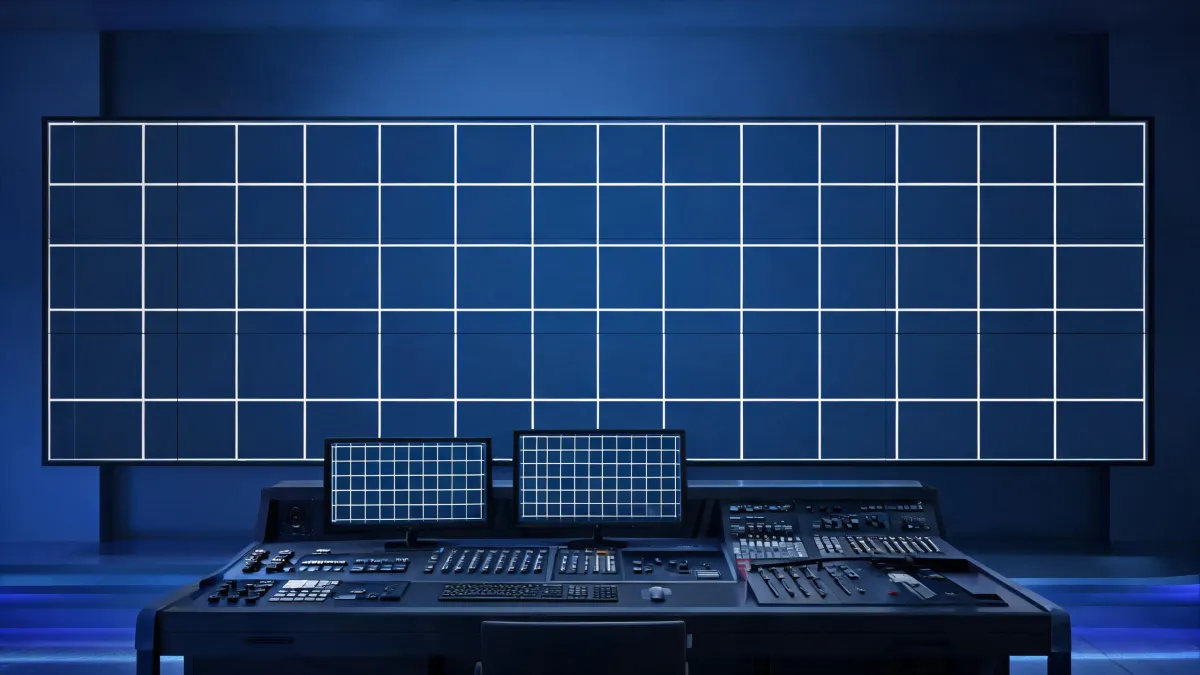
It was a Tuesday morning in late October 2024. I was in my role coordinating digital signage integrations for a large regional healthcare system. We had just finished a massive rollout of 47 new Planar displays across three new clinic buildings. The hardware was installed—the gorgeous Planar LookThru transparent OLEDs in the lobbies, the standard LCD information boards in the hallways, and a massive Luxe MicroLED in the main atrium waiting room.
Everything looked perfect. The screens were mounted, the cables were run, and the network was configured. Or so we thought.
Then the phone rang. It was the project manager from the hospital's marketing team. Her voice had that edge—the one that says 'this is not a drill.'
'We did our final walkthrough with the C-suite. The screens look great, but... there's nothing on them. We have the soft opening in 36 hours, and we need a digital signage dashboard and content automation set up for at least the main lobby screens by then. We thought you guys did that.'
My stomach dropped. We had sold and installed the hardware. The integrations—the software stack, the dashboard, the content automation—that was supposed to be handled by a third-party vendor who had... well, who had ghosted us a week prior.
This is the story of how we learned that a Planar display is only as good as the plan you have for what goes on it. And how a 36-hour emergency taught me a lesson I'll never forget.
Part I: The Setup (And The Oversight)
The Promise of a Seamless System
The project had been in the works for six months. The specs called for a high-end digital signage integration—a central dashboard that could push real-time wait times, health tips, wayfinding maps, and event announcements to the Planar displays.
In my experience coordinating about 50-60 digital signage projects over the past four years, this is where things get tricky. The hardware—the Planar panels themselves—are the easy part. They're reliable, the colors are incredible, and the MicroLED in the atrium is honestly the best-looking screen I've ever seen in a healthcare setting.
The hard part is the content layer. Who manages it? How do you update it when the cafeteria changes hours? What happens when the IT guy who set it up gets promoted? We had a vendor lined up for the CMS platform—a pretty standard solution that was supposed to handle everything: scheduling, templates, live data feeds.
But here's the thing I should have caught earlier. We had no content automation for digital signage plan. The software vendor was going to provide the platform, but we—the integrator—were the ones responsible for the dashboard design and the initial content automation setup. And we missed that handoff.
The Ghosting
Three weeks before go-live, our CMS vendor's point of contact went silent. Emails bounced. Their website was still up, but their support number went straight to a generic voicemail. I had a bad feeling about it, but the project was on schedule, and we were drowning in the physical install.
I knew I should have pushed for a backup plan. I thought, 'What are the odds they don't come through? We have their implementation guide. We can figure it out.'
Spoiler alert: the odds caught up with me. We were 36 hours from go-live with 47 beautiful Planar displays showing nothing but their internal logo screen.
Part II: The 36-Hour Scramble
Triaging the Disaster
When I'm triaging a rush order like this, I have three priorities in order: 1) Time—how many hours do we actually have? 2) Feasibility—can we actually do it in that window? 3) Risk control—what's the absolute worst case scenario?
Time: We had 36 hours before the soft opening. But realistically, the screens needed to be live and configurable by 8 AM the day of, so really 28 hours. That's tight for a full integration.
Feasibility: The hospital's existing IT infrastructure was solid. They had a good network, and the Planar displays were already on it. The gap was the dashboard software and the content automation logic.
Risk control: The worst case was we had to tell the C-suite that the screens would be dark for the opening. That would have been a failure for us, and honestly, a poor reflection on the Planar installation itself. The hardware was perfect, but if the software isn't there, the user thinks the whole system is broken.
The Quick Switch to Planar Speakers and Native Integrations
Here's the part that almost no one talks about in the professional display space. Planar doesn't just sell screens. They have a robust ecosystem of peripherals and integrations. Specifically, they offer Planar speakers designed for their displays, and a suite of native integration tools for common use cases.
Our first breakthrough came when our support contact at Planar (who I called in a panic) told me about their built-in media player capability for certain display models. Turns out, the Luxe MicroLED and some of the newer LCDs in our project had native support for a direct content feed via a simple HDMI connection to a dedicated PC.
It wasn't a full CMS solution. It wasn't going to give us the fancy real-time dashboard or the complex scheduling. But it meant we could get content on the screens quickly. For the atrium MicroLED, we could set up a looping video presentation. For the lobby informational boards, we could use a simple web-based dashboard from another vendor that was way simpler to deploy.
Within 12 hours, we had a workable solution for the three most visible screens—the lobby MicroLED, the main hallway, and the cafeteria entry. We used a combination of the Planar's native playback, a simple, cloud-based content automation solution that the IT director's brother-in-law actually ran (talk about a connection), and a lot of manual testing.
We paid about $600 extra in rush configuration fees and had to buy one extra mini PC for the MicroLED, but we saved the $47,000 project from a PR disaster. The alternative was telling a major hospital system that their brand-new, state-of-the-art Planar displays would be showing a blank screen for their leaders.
The Dashboard We Didn't Build
We didn't deliver the full digital signage dashboard. That was the compromise. The hospital system wanted a central dashboard that showed real-time ER wait times, patient names for scheduled appointments, and a rotating calendar of events. That level of content automation for digital signage requires a proper CMS with API integrations to their patient database.
We couldn't build that in 36 hours. No one could. But we could get video and image content up and running, and we could promise a full dashboard implementation within 30 days using a different, more reliable CMS vendor.
'An informed customer asks better questions and makes faster decisions.'
That's the philosophy I now live by. I spent 30 minutes on the phone with the hospital's marketing director explaining the difference between what we could do in 36 hours and what a true integration looks like. She understood. She was relieved to have something—anything—on the screens.
Part III: The Hard Lesson
What I Wish I Had Done Differently
The most painful lesson from this project wasn't technical. It wasn't even about the ghosting vendor. It was about our internal digital signage integrations process.
We didn't have a formal 'integration handoff' process. We were an AV hardware installation company that was trying to be a software integration company, and we didn't have the structure to support it. The third time a client asks 'So how do we update the content?' and you realize you didn't budget for the CMS setup, you start to see a pattern.
After this project, I implemented a simple rule: any Planar display installation over a certain size must include a content automation for digital signage clause in the initial contract. We either quote the CMS ourselves or require the client to show us their plan for content management before we mount a single screen. It's saved us from at least three similar situations since.
The Truth About Planar Hardware
The hardware itself? Flawless. I have mixed feelings about the term 'mission-critical display,' but in a hospital setting, that's what these are. The Planar Luxe MicroLED in the atrium is stunning. The colors, the brightness, the way it handles lower light in the lobby—it's genuinely impressive hardware.
But I have to be honest: a display is just a frame until there's content on it. The beautiful MicroLED in the atrium could have been a piece of art or a status symbol, but without the digital signage dashboard and the content automation feeding it relevant information, it was just a very expensive TV. The best display in the world is useless if the plan for what goes on it is 'we'll figure that out later.'
My experience is based on about 15-20 major Planar installations with integration components. I can't speak to how this applies to a single-screen retail setup or a small conference room. For those simpler projects, the built-in media player or a simple USB drive might be enough. But for any scalable digital signage integrations project—anything over 3-4 screens with a scheduled content need—you need a real plan.
Conclusion: The Lesson That Stuck
There's something satisfying about a perfectly executed rush job. After the stress and the late nights and the calls, seeing the Planar displays light up with the hospital's welcome video—that's the payoff. The staff walking by, actually pausing to watch the screen. The receptionist being able to direct a visitor to the right floor. That's why we do this.
But the even bigger lesson was about customer education in content automation. I spend way more time now at the beginning of a project explaining the difference between hardware and software integration. I'd rather spend that 10 minutes upfront than deal with a 36-hour emergency later. An informed customer asks better questions and makes faster decisions. When you're installing Planar displays in a mission-critical environment, the last thing you want is to be figuring out the 'what' while the clock is ticking.
To the IT directors and integrators reading this: verify your integration plan before you touch the display. The Planar hardware will handle the rest. Just make sure you know what's going to play on it.